
Volunteering Camp – Wooden Church Cehei
Preserve · Learn · Contribute
August 3rd - August 12th
Restoring the Past, Shaping the Future:
A Volunteering Journey of Heritage and Heart
The Cultural Immersion Program
The Cehei Volunteering Camp is a hands-on experience for teens who want to connect with Romania through heritage, culture, and meaningful work.
Organized in partnership with Asociația Arhaic, Ambulanța pentru Monumente, and the Romanian United Foundation, this program introduces participants to heritage preservation through real restoration work, combined with cultural immersion and traditional experiences.
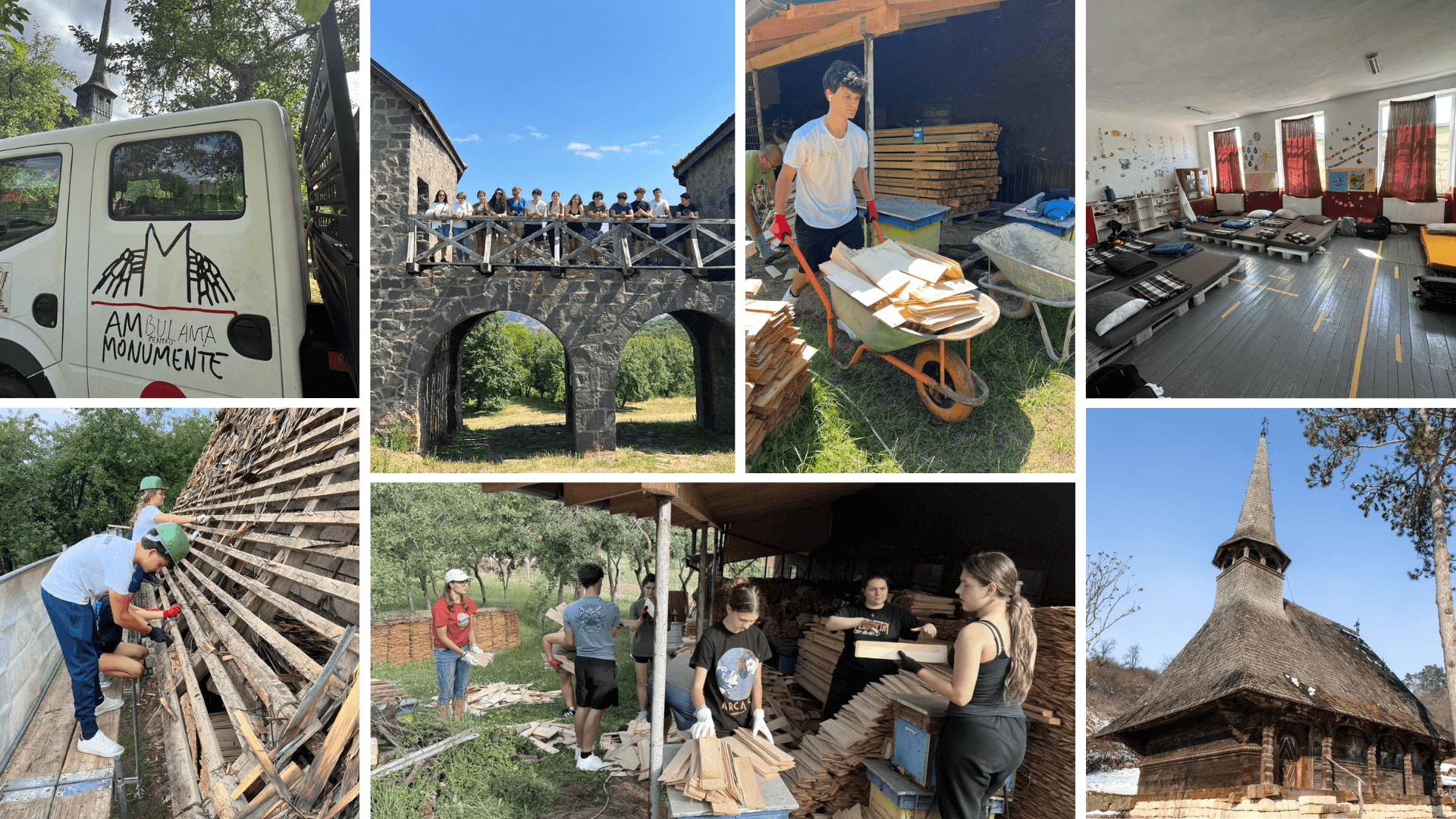
Participants will contribute to the restoration of a historic wooden church in Cehei, while exploring the culture, history, and traditions of the region.
SIGN UP HERE
About the Experience
This camp is designed as an introduction to heritage volunteering and cultural immersion.
Participants will:
- take part in supervised restoration activities
- learn traditional techniques related to wooden structures
- explore the history and significance of wooden churches
- experience village life and local traditions
- build friendships through shared work and daily activities
The program combines learning, contribution, and cultural discovery in a balanced and accessible way.
Who This Camp Is For
-
teens age 16–21
-
participants interested in heritage, culture, and restoration
-
teens open to rural immersion and hands-on work
-
those looking for a meaningful, community-based experience in Romania
How to Apply
- Complete the application form by: May 31th
- Express your interest by answering: "Why do you want to join this program?"
- Applications will be reviewed, with a limited number of 15 spots available.
We value passion, curiosity, and dedication to heritage conservation.
SIGN UP HERE
Program Overview
August 3 — Arrival in Cehei
Participants arrive, settle in, and meet the group and organizers.
August 4–5 — Restoration Work
Hands-on activities on-site, contributing to the preservation of the wooden church in Cehei.
August 6 — Cultural & Exploration Day
Participation in a local religious celebration, followed by visits to Șimleu Fortress and a hike on Măgura Hill.
(We aim to be joined by archaeologist Horea Pop for additional context and insights.)
August 7–8 — Restoration Work at Cehei
Continued work on the wooden church, developing practical skills and contributing to the restoration effort.
August 9–10 — Traditional Living Experience (Iaz)
Participants spend two days in Iaz, hosted by Ligia Bodea, where they will experience traditional crafts and village life, including:
- weaving
- bread-making
- other traditional activities
On August 10, the group departs toward Nadiș.
August 11–12 — Work in Nadiș
Hands-on work continues in Nadiș, contributing to local heritage projects.
On August 12, activities conclude based on available time, followed by a farewell and departure.
Note: Parents may arrange pickup from Nadiș.
Cost & Fundraising
The cost of the camp is $1,000 per participant. ( ≈ €850 )
This amount is fundraised by each participant as part of the experience. The first $500 must be raised by August 1st, 2026, with the final fundraising goal deadline set for December 31, 2026. Through this process, participants not only support the preservation of Romania’s cultural heritage, but also develop initiative, communication skills, leadership, and a deeper sense of ownership in the project.
Fundraising Support
Each participant will receive support in creating a personal fundraising page on the Romanian United Foundation website.
These pages will help participants:
- share their story and motivation
- invite friends, family, and community members to support their participation
- track their progress toward their fundraising goal
Our team will guide participants throughout the process and provide support along the way.
Why This Experience Matters for Diaspora Teens
For many teens growing up abroad, Romania is often something they hear about in stories, traditions, or family conversations, but rarely experience directly.
This camp changes that.
Participants don’t just visit Romania. They live it, working with their hands, learning traditional skills, exploring villages, and connecting with people who carry these traditions forward.
Through this experience, teens:
- gain a deeper understanding of their roots
- build a personal connection to Romanian culture and history
- develop confidence, independence, and responsibility
- become part of a community of peers who share a similar identity
More than anything, this program helps them see Romania as part of who they are, not just where they come from.
Accommodation & Living Conditions
Participants will stay in a communal setting in the village, designed to reflect authentic rural life while ensuring basic comfort.
Features include:
-
shared rooms with other participants
-
clean bedding and essential amenities
-
access to showers
-
shared meals prepared locally
Living together fosters a strong sense of community and collaboration.
Work Safety
Safety is a priority:
-
work conducted under supervision
-
protective equipment required (gloves, boots, etc.)
-
safety briefing provided at the beginning of the camp
-
participants will receive a preparation list before arrival
Participant Responsibilities
Participants are expected to:
-
maintain personal and shared spaces
-
assist with daily tasks (cleaning, dishes, etc.)
-
actively engage in work and activities
-
respect the community and local environment
SIGN UP HERE
Be Part of the Legacy
This camp is an opportunity to touch history, contribute to preservation, and reconnect with your roots.
The impact of your work will remain long after the camp ends, in restored buildings, preserved traditions, and strengthened communities.
Meet the People Behind the Camp
The Arhaic Volunteering Camp is an annual initiative organized by Asociația Arhaic, Ambulanța pentru Monumente, and the Romanian United Foundation. As part of RUF’s cultural immersion programs, it brings together individuals committed to heritage preservation through hands-on restoration work and meaningful community engagement.
Valeria Lehene is the President of Asociația Arhaic and an architect with over 20 years of experience at the Sălaj County Directorate for Culture*. Her work focuses on the preservation and protection of architectural heritage, and she plays a key role in shaping restoration projects across the region.
Bogdan Ilieș is a historian and researcher specializing in wooden churches, holding a Ph.D. in History. He leads the Ambulanța pentru Monumente civic program in Sălaj County, coordinating restoration efforts and contributing to the safeguarding of Romania’s rural heritage.
Together, they provide guidance, mentorship, and context throughout the camp, ensuring that participants not only contribute to restoration work, but also understand the cultural and historical significance behind it.
*The County Directorate for Culture is the state institution at the local/regional level responsible for monitoring the national cultural heritage, including architectural heritage.
Contact Information
- For inquiries:
- Irina Nedeljkovic (RUF): [email protected]
-
Do we have to have any prior building experience?
No prior building experience necessary.
-
What are the accommodations like at the camp?
Participants will stay in communal accommodations with other volunteers, experiencing village life authentically. This includes clean bedding and access to facilities like showers and washing machines, offering a comfortable yet immersive experience.
-
What will participants do at the camp?
Participants will engage in a variety of activities, including hands-on workshops in traditional crafts, volunteer work on conservation projects, cultural tours, and daily life experiences in a Romanian village. The aim is to provide a full immersion into Romanian culture and heritage conservation.
-
Who can participate in the Cultural Immersion Camp?
The camp is open to Romanian diaspora youth ages 16-21 who are interested in connecting with their cultural heritage, learning about traditional crafts, and participating in conservation efforts. We will consider applicants of different ages on a case-by-case basis. Parental approval is required for participants under 18.
-
How much does it cost to participate in the camp?
Participants are encouraged to raise or donate $1,000+, which covers accommodation, meals, local transportation, and activity costs. This contribution also supports the restoration project of the historic wooden churches in Salaj area.
-
Would you provide transportation from Cluj?
Certainly, transportation from Cluj to the camp and back can be arranged as part of the camp experience upon request. This service includes all essential travel within the program, beginning with airport pickup in Cluj and concluding with the return journey at the camp's end. To take advantage of this arrangement, participants are encouraged to request transportation at the time of registration or as early as possible to ensure smooth logistics and planning. This addition aims to provide a complete and worry-free experience, allowing participants to fully immerse themselves in the camp activities and cultural exploration.
-
Will we have free time?
Yes. We will have a working schedule for each day that allows for free time. Participants will be able to explore the area, do leisure activities, and relax when not working.
-
Will we get volunteer hours?
Yes. Participants will get between 40 - 60 hours depending on their involvement.
-
Is the surrounding area safe?
Not only is the surrounding area safe, but the camp itself is as well - we have very strict safety procedures during working hours to ensure a good environment for all participants.
-
Is there adult supervision?
Yes. At least one adult will be present in each construction zone to oversee and guide participants. Additionally, adult supervision will be provided at all times throughout the camp, ensuring continuous support and safety 24/7.

Do you like this page?